Sketches of Spain
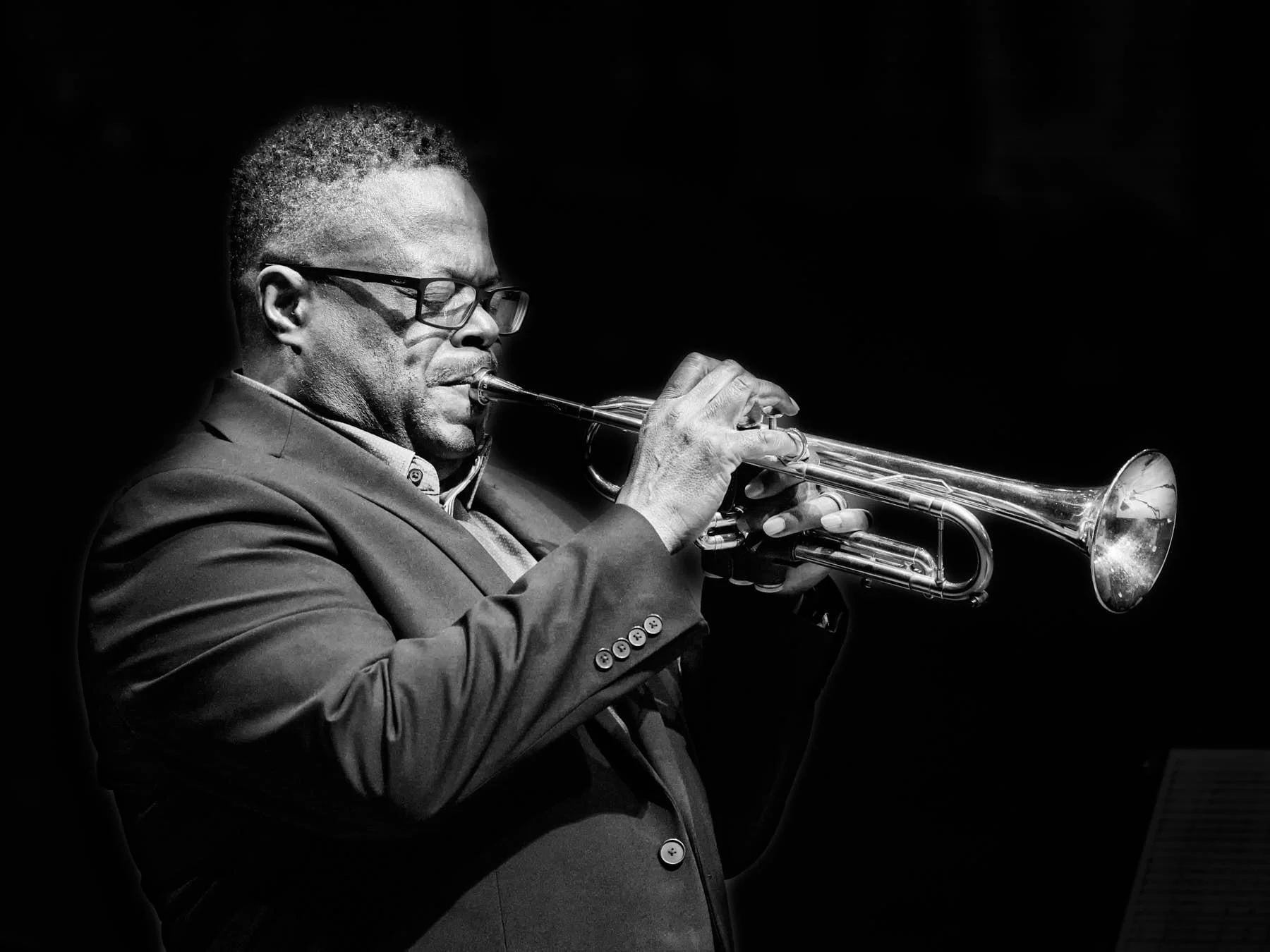
Chicago is the 2026 host city for International Jazz Day, which is April 30th. Recognizing that the spotlight is on Chicago, the city’s jazz impresarios have scheduled 16 concerts and related events this week. Today, Chicago’s Reva and David Logan Center for the Arts staged an afternoon concert revisiting Miles Davis’ 1959 seminal album, Sketches of Spain. At the helm was trumpeter Orbert Davis, leading the 19-member Chicago Jazz Philharmonic.
Throughout his career, Miles Davis literarily created one now familiar jazz idiom after another. In the late Fifties, Davis’s wife, Frances, convinced him to attend a performance by Robert Iglesias, a flamenco dancer. Legend has it that afterwards, Davis headed to New York City’s Colony Records, where he bought every flamenco record in stock. Inspired by what he heard, Davis then blended his reflective and sometimes lugubrious trumpet sound with flamenco music, the result being Sketches of Spain.
Since its issue by Columbia Records in 1960, the album has sold over 860,000 copies, which is an extraordinaire number for any album, let alone a jazz record. In all candor, Sketches is one of my least favorite Miles Davis albums, which is to speak heresy. Many view it as the perfect music for 1:00 PM listening on a Saturday night. In other words, an entry point into the late Ron Cuzner’s “Dark Side.” I find Sketches much too stylized.
Despite my reservations, Orbert Davis and the Jazz Philharmonic delivered an outstanding rendition, one which far surpassed the original. Of course, Orbert Davis maintained control and achieved perfect tone when he played the Davis’ lines, although he rejected a note-for-note rendition. I was also very impressed when bassist Joe Tate and saxophonist Kevin King soloed. Yet, for me, the standout performance came from the string section, led by concertmaster and violinist Zara Zaharieva.
I suspect that anyone who has not recently listened to Sketches of Spain remembers a string section on the record. While the orchestration justifies such a recollection, it is a false one. With the exception of the bass and a harp, the album’s orchestration includes no strings. Breaking with the original format, the Chicago Jazz Philharmonic included a five-piece string section, which to my ears, which made all the difference in the world. Too often strings on jazz records produce a sickening-sweet, syrupy sound. Not today. To my surprise, the strings served an important percussive role, laying the foundation that supported Orbert Davis’ trumpet flourishes. Miles Davis and arranger Gil Evans should have incorporated strings into the original mix. The violins, the viola, and the cello were a fantastic addition. No doubt Miles would have approved.
Following a roughly one-hour (far too short) set, Orbert Davis led a group discussion. Joining Davis were Vince Wilburn, Jr., Miles Davis’ nephew; Mark Ruffin, the Program Director for Sirius XM Radio; and Karen Chilton, the 2026 Library of Congress Jazz Scholar. While each of the four offered interesting observations and antidotes, Wilburn was the dominant and standout panelist, which should come as no surprise because he was the one who had prolonged personal interactions with “Uncle Miles.”
Wilburn described Miles as a restless soul, who began and ended each day listening to music. According to Wilburn, Davis did not deserve his reputation for being aloof. Wilburn recalled one incident when Davis offered someone who was auditioning for Miles a stick of gum to set the musician at ease. No doubt, Wilburn spent a lot of time with Miles because he did spot on imitations of Davis’ raspy whisper.
I particularly enjoyed Wilburn’s tale of an early audition by Herbie Hancock, Tony Williams, and Ron Carter. Davis left the three down in the basement of his home, heading upstairs. Apparently unbeknownst to the three musicians, the house was wired with an intercom system. Once upstairs, Miles flipped on the intercom so that he could listen to the interaction among the three musicians. Obviously, Miles liked what he heard. We certainly do when we listen to the classic recordings that also include Wayne Shorter.
As for my photograph of the ten-dollar bill. Toward the end of the concert, Orbert Davis walked in the direction of Michael Jackson, who was seated on the left side of the hall. Looking at Jackson, Davis joked about the five-dollar admission price. At least two people then tossed bills toward the stage.
While everyone had a good laugh, I viewed the interchange as revelatory. I don’t know why the tickets were priced so low. It is one thing to eliminate barriers to admission, but virtually everyone I saw in the packed hall was well attired for the occasion. Surely the members of the audience could have afforded tickets priced at $20 each.
Given the early afternoon start time, I was unable to find parking on the street, so I parked in one of the university’s parking lots, meaning I was soaking wet after walking to the Logan Center in a downpour. I paid $22 for 2.5 hours of parking, which certainly is an insult to the musicians. Five dollars for an hour of music; seven dollars an hour for parking.
[Click on an Image to Enlarge It. The Images Are Not Necessarily in Exact Chronological Order]
Doubling the Price of Admission
Davis Playing Davis
In a Trance-Like State
Bassist John Tate Applauding the Strings
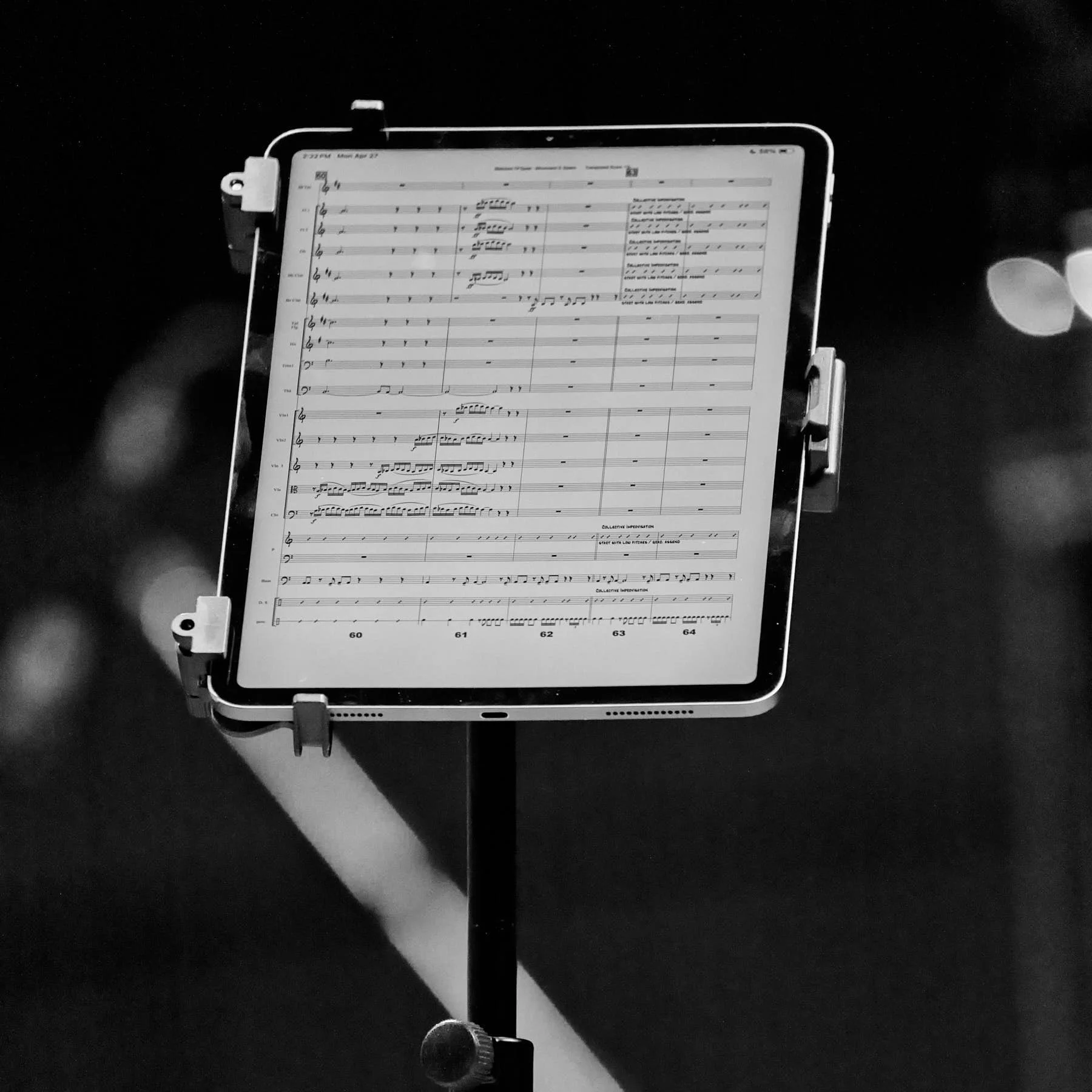
Bar 63 = Commence Collective Improvisation
Soprano Saxophonist Kevin King Taking a Solo
Drummer Ernie Adams Adding Some Fills to the Mix
Looking at What Comes Next
Straight Ahead
Two Eyes Behind the Mics
Diving for Dollars
Orbert Holding the Ten Spot While Ernie Adams Has a Good Laugh
Leaning Back
Pianist Leandro Lopez-Varady Bringing His Left Hand Up
Rejuvenating Miles
Drummer Ernie Adams Watching Kedgrick Pullman Jr.
Orbert Davis Listening to Vince Wilburn, Jr. Reminisce about Wilburn’s Uncle Miles
Karen Chilton SpeakingAbout the Importance of Miles Davis
Mark Ruffin Recalling Miles
Revisited
Copyright 2026, Jack B. Siegel, All Rights Reserved. Do Not Alter, Copy, Display, Distribute, Download, Duplicate, or Reproduce Without the Prior Written Consent of the Copyright Holder.